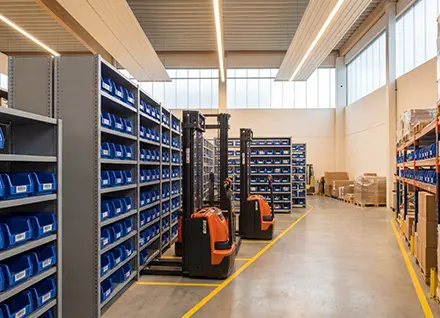
What are the advantages of using bins in a warehouse?
Organised inventory management goes far beyond keeping things in order; it creates an environment where every item can be easily picked, packed and replenished.

With 50 years' experience in the wholesale and distributor sector, we have put together a 14-page guide on the key facts about ERP. Download yours for free.





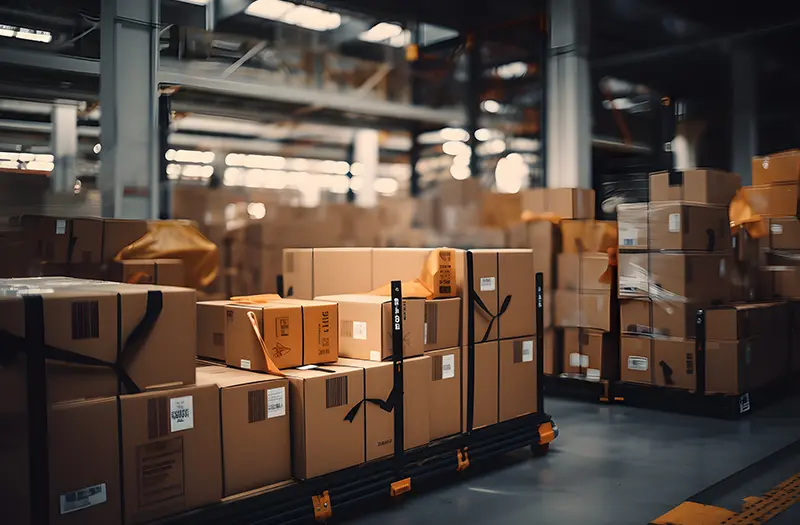
In wholesale and distribution, few things are more important than knowing exactly where your products came from and where they’ve gone. Whether you’re supplying food, chemicals, medical goods or electrical components, being able to trace stock batches isn’t just good practice – it’s essential for operational efficiency and compliance.
That’s where batch traceability comes in. It enables businesses to track and record the movement of goods through every stage of the supply chain – from purchase order and warehouse storage to customer delivery. In short, it’s about accountability, transparency and control.
In this article, we’ll explore what batch traceability means, how it works, why it’s vital for wholesalers and how ERP systems like Profit4 make it easy to manage.
Batch traceability refers to the ability to track goods using batch or lot numbers – unique identifiers assigned to a group of items that share the same production or purchase details. This might include information such as:
For wholesalers and distributors, this data forms a clear chain of custody that links every item to its source. It means that if a problem arises – such as a product fault, contamination issue or recall – the affected batches can be quickly identified and isolated, minimising disruption and financial loss.
Batch traceability isn’t limited to regulated industries. Even wholesalers who aren’t legally required to track stock at batch level find it valuable for improving accuracy, customer service and supplier accountability.
Without batch traceability, it’s nearly impossible to maintain complete visibility over your inventory. Suppose a customer reports a defect or quality concern. In that case, manual systems can make it difficult to pinpoint when the item was received, which supplier it came from, or which customers might have received similar products.
This lack of insight can quickly lead to:
On the other hand, with batch traceability built into your stock management processes, you can trace every product’s journey at the click of a button. If there’s an issue, your team can act fast to resolve it – and back every decision with accurate data.